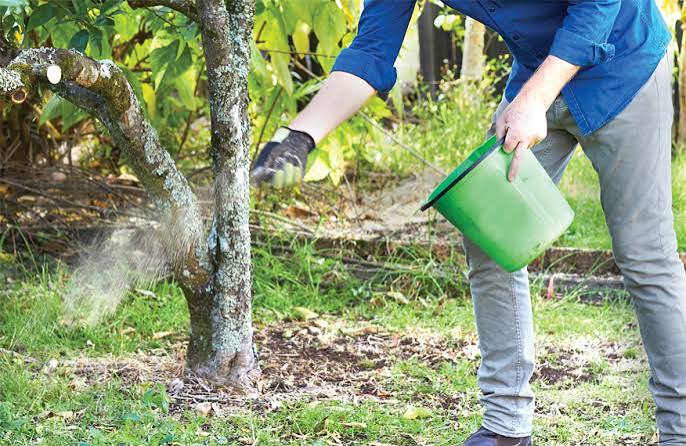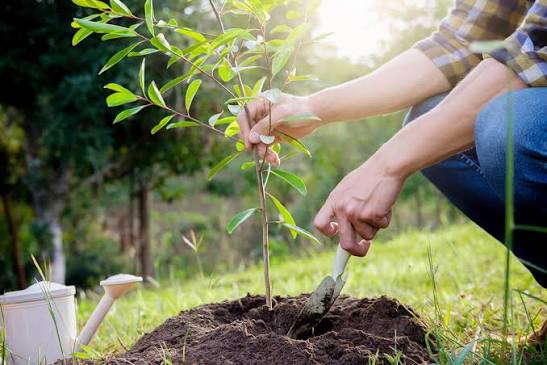
Trees are among the most valuable natural assets in our environment. They contribute to cleaner air, provide shade, support wildlife, improve soil quality, and make outdoor spaces more attractive. From small ornamental trees to large mature specimens, every tree requires suitable growing conditions and proper maintenance. Professional tree health management focuses on protecting trees from environmental stress, preventing diseases, encouraging healthy development, and extending their natural lifespan.
1. Understanding the Signs of a Healthy Tree
Recognising the characteristics of a healthy tree is the first step towards effective maintenance. Healthy trees generally have well-developed branches, appropriate foliage, stable trunks, and active seasonal growth.
Changes in appearance may indicate underlying problems. These include unusual leaf loss, dead branches, damaged bark, fungal growth, and poor development. Regular observation helps identify concerns before they become more serious.
2. Maintaining the Natural Shape of Trees
Every tree species has a natural growth pattern. Some develop broad canopies, while others grow tall with narrow branch structures. Maintaining their natural shape is important for healthy development.
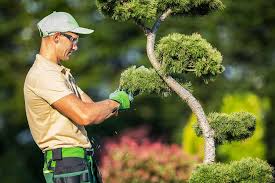
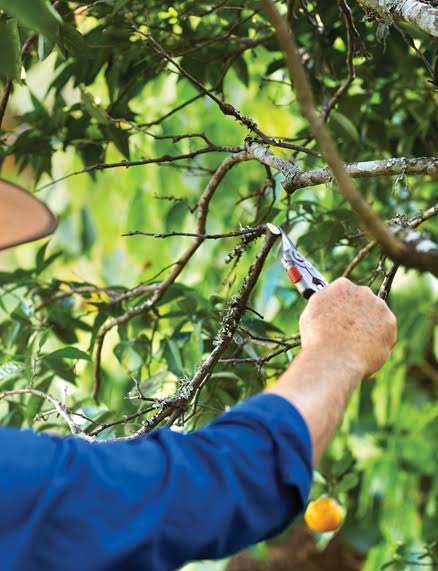
Avoid unnecessary cutting, excessive crown reduction, and tree topping. Appropriate pruning should focus on removing damaged, dead, or diseased branches while preserving the tree’s natural structure.
3. Improving Soil Aeration
Tree roots need oxygen to function properly. Compacted soil can restrict airflow and reduce the movement of water through the root zone.
Soil compaction is particularly common in gardens, parks, and areas where people frequently walk or vehicles are parked. Preventing unnecessary pressure around trees helps maintain healthy soil conditions.
Where compaction is severe, professional assessment can determine whether suitable soil improvement methods are appropriate.
4. Managing Tree Health During Dry Seasons
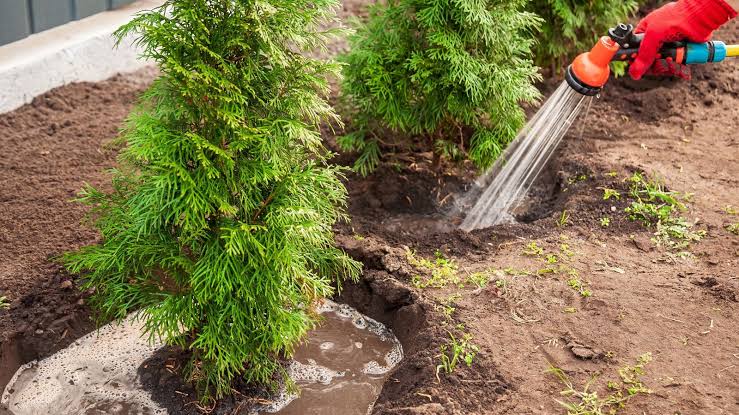
Dry weather can place considerable stress on trees, particularly young specimens with developing root systems.
To maintain tree health during dry periods:
- Monitor soil moisture around the root zone.
- Water deeply when necessary.
- Apply suitable organic mulch.
- Avoid unnecessary disturbance of roots.
- Inspect leaves for signs of drought stress.
These practices help reduce moisture loss and support healthy tree development.
5. Understanding the Importance of Tree Support Systems
Some newly planted trees may require temporary support, particularly in exposed locations. Proper staking can help prevent excessive movement while roots become established.
However, support systems should not restrict normal trunk movement. Ties must be checked regularly to prevent rubbing or damage, and stakes should be removed once they are no longer necessary.
Permanent or inappropriate staking can interfere with natural trunk development.
6. Protecting Trees from Animal Damage
Animals can sometimes damage tree bark, roots, and young branches. Rabbits, deer, rodents, and other wildlife may feed on vulnerable parts of trees.
Young trees can be protected using suitable tree guards or fencing. Protection should allow sufficient ventilation and should be checked regularly to ensure it does not become too tight as the trunk grows.
Wildlife-friendly protection methods are preferable wherever practical.
7. Understanding Tree Growth Rings
Tree growth rings provide valuable information about the history of a tree. Each annual ring generally represents one year of growth in trees growing in seasonal climates.
Wider rings can indicate favourable growing conditions, while narrower rings may reflect drought, competition, or other environmental stress. However, growth patterns differ between species and climates.
Scientists and forestry professionals study growth rings to understand historical environmental conditions and changes in tree development.
8. Maintaining Trees in Public Parks
Public parks depend on healthy trees to provide shade, recreation opportunities, and natural beauty. Proper maintenance helps ensure that these spaces remain safe and attractive.
Park management programmes should include regular tree inspections, appropriate watering, soil protection, and monitoring of potentially dangerous branches.
Community involvement can also help protect trees from vandalism and unnecessary damage.
9. The Role of Technology in Modern Arboriculture
Modern arboriculture uses specialised tools and technologies to assess tree health and structural conditions.
Examples include:
- Soil moisture monitoring equipment.
- Aerial photography and mapping.
- Tree inventory management software.
- Advanced tools for investigating internal decay.
- Digital records of inspections and maintenance.
These technologies help professionals make informed decisions and develop effective tree management plans.
10. Encouraging Responsible Tree Planting
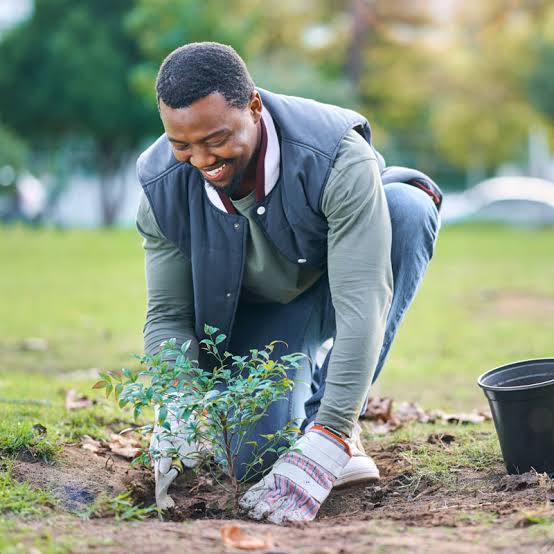
Tree planting should always be planned carefully. Selecting suitable species, preparing the planting area, and providing appropriate aftercare are essential for successful establishment.
Native and climate-adapted species can offer important ecological benefits. Planting a diverse range of suitable trees also helps reduce the impact of pests and diseases that may affect individual species.
11. Preserving Old and Mature Trees
Older trees have significant environmental, cultural, and ecological value. They often provide complex habitats and extensive shade while storing substantial amounts of carbon.
Their preservation requires careful management, regular assessment, and protection from unnecessary construction damage.
Rather than removing an old tree simply because it requires attention, property owners should consider whether professional maintenance can address its problems safely.
12. Making Tree Care a Long-Term Investment
Healthy trees provide benefits for many years, but achieving these benefits requires consistent attention. Regular inspections, appropriate maintenance, responsible planting, and environmental awareness all contribute to successful tree preservation.
Homeowners, businesses, gardeners, and local authorities can work together to protect existing trees and improve green spaces.
Conclusion
Professional tree health management combines scientific knowledge, practical maintenance, and environmental responsibility. From improving soil conditions and protecting young trees to preserving mature specimens and using modern assessment technologies, every activity contributes to healthier landscapes. Trees are valuable natural resources that deserve careful attention and protection. By adopting effective tree management practices, we can create stronger ecosystems, greener communities, and a healthier environment for future generations.